
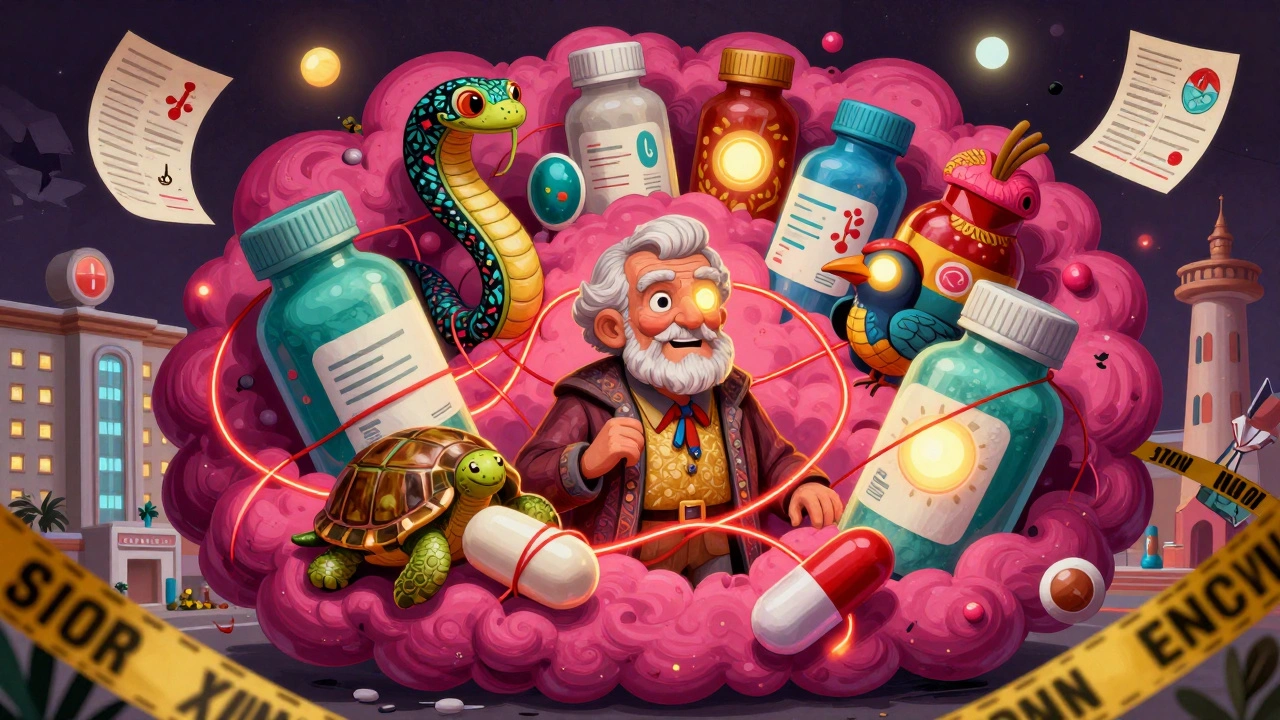
Every year, nearly one in three hospital admissions for people over 65 are caused by problems with their medications. Many of these aren’t accidents-they’re preventable. The biggest culprit? Drug-drug interactions. When an older adult takes five, six, or even ten different pills, the chances of those medications clashing rise sharply. And because aging changes how the body processes drugs, even common prescriptions can turn dangerous when mixed.
Why Older Adults Are at Higher Risk
Your body doesn’t handle medicine the same way at 70 as it did at 40. As we age, the liver slows down. The kidneys filter less efficiently. Fat increases, muscle decreases, and water content drops. These changes mean drugs stay in the body longer, build up to toxic levels, or don’t work as they should.Take blood pressure meds and diuretics, for example. A healthy 50-year-old might take both without issue. But in an 80-year-old with reduced kidney function, that same combo can cause dangerous drops in blood pressure, dizziness, falls, and even kidney injury. It’s not the drugs themselves-it’s how the aging body responds to them together.
More than 40% of seniors in the U.S. take five or more prescription drugs daily. Add over-the-counter painkillers, herbal supplements like St. John’s Wort, or even antacids, and you’ve got a recipe for hidden risks. Many seniors don’t tell their doctors about these because they don’t think they count as "medications." But St. John’s Wort can cancel out antidepressants. Ibuprofen can raise blood pressure and hurt kidneys when mixed with certain heart meds.
The Most Dangerous Drug Combos
Not all interactions are created equal. Some are minor. Others can land someone in the ER-or worse.Cardiovascular and central nervous system drugs cause the majority of serious interactions in older adults. Here are the most common dangerous pairs:
- Warfarin + NSAIDs (like ibuprofen or naproxen): This combo increases bleeding risk by 3-5 times. Even occasional use of OTC painkillers can be risky.
- Benzodiazepines (like diazepam) + opioids: This combination suppresses breathing and is linked to over 30% of opioid-related deaths in seniors.
- SSRIs + tramadol or triptans: Can trigger serotonin syndrome-a rare but life-threatening surge in brain chemicals.
- Statins + grapefruit juice: Grapefruit blocks liver enzymes that break down statins. One glass can raise drug levels enough to cause muscle damage.
- Anticholinergics (like diphenhydramine) + other anticholinergic drugs: Common in sleep aids, allergy meds, and bladder pills. Together, they cause confusion, memory loss, urinary retention, and constipation.
The American Geriatrics Society’s Beers Criteria (2023) lists 30 drug classes that should generally be avoided in seniors-and another 40 that need dose adjustments based on kidney function. Many of these are still prescribed because doctors aren’t aware, or because patients have been on them for years without review.
Tools That Actually Work
Preventing these interactions isn’t about guesswork. There are proven tools used by pharmacists and geriatricians every day.STOPP Criteria (Screening Tool of Older Persons’ Potentially Inappropriate Prescriptions) is one of the most validated. It identifies 114 specific drug problems across 22 body systems. For example:
- Prescribing a proton pump inhibitor for more than 8 weeks without a clear reason
- Using a long-acting benzodiazepine for insomnia
- Using a non-selective beta-blocker in someone with asthma
When hospitals used STOPP during discharge planning, hospital readmissions dropped by 22.1%. That’s not just a number-it’s real people avoiding another hospital stay.
The Beers Criteria is updated every two years and now includes not just bad drugs, but bad combinations and dosing errors. For example, it warns against giving metformin to seniors with kidney function below 30 mL/min, even if their doctor thinks it’s "fine." The 2025 update will add even more drug-disease interactions and renal dosing rules.
Another practical tool is NO TEARS. It’s a simple checklist for any medication review:
- Need: Is this drug still necessary?
- Optimization: Is the dose right for their age and kidney function?
- Trade-offs: Do the benefits outweigh the risks?
- Economics: Can they afford it? Many seniors skip doses because of cost.
- Administration: Are they taking it correctly? Pill organizers help, but many still struggle with complex regimens.
- Reduction: Can we stop one or more?
- Self-management: Do they understand why they’re taking it?
Using NO TEARS doesn’t require special software. Just ask the questions during a 15-minute visit.

Why Fragmented Care Is a Silent Killer
One of the biggest reasons DDIs happen isn’t bad prescribing-it’s bad communication.Two-thirds of seniors see multiple doctors. One for blood pressure. One for arthritis. One for depression. Each prescribes what they think is best. Few talk to each other. And most don’t know what the others have prescribed.
Patients often use different pharmacies too. One fills their heart meds. Another fills their pain pills. Neither pharmacy has the full picture. That’s why a senior might get prescribed two different drugs that both cause low sodium-without anyone realizing it.
A 2023 study found that 67% of seniors see three or more doctors annually. Yet, only 28% of drug labels include specific interaction warnings for older adults-even though seniors make up 40% of users for most chronic disease medications.
And here’s the kicker: older adults are rarely included in clinical trials. Less than 5% of participants in Phase 3 trials are over 65. That means most drug safety data comes from young, healthy people. We’re guessing how these drugs work in seniors-and sometimes, we guess wrong.
What You Can Do Right Now
You don’t need a specialist to start reducing risk. Here’s what works, today:- Make a complete list of everything taken: prescriptions, OTC meds, vitamins, herbs, supplements, even eye drops or patches. Include dosages and how often they’re taken.
- Bring it to every appointment. Don’t assume the doctor knows. Don’t rely on electronic records-they’re often incomplete.
- Ask: "Can any of these be stopped?" This is the most powerful question in geriatric care. Many drugs are taken "just in case," even if they haven’t been needed for years.
- Use one pharmacy. If possible, fill all prescriptions at the same place. Pharmacists can flag interactions you won’t see.
- Check for red flags: New confusion, dizziness, falls, nausea, or sudden fatigue? These aren’t normal aging. They’re often drug reactions.
And if you’re a caregiver or family member: don’t wait for the doctor to bring it up. Start the conversation. Say: "I’m worried about all these pills. Can we review them?"
The Future Is Better-But We’re Not There Yet
There’s progress. AI-powered clinical decision tools are now in 47% of U.S. hospitals, up from 22% in 2020. These systems flag dangerous combos in real time when a doctor types in a prescription.The FDA now requires drug makers to include pharmacokinetic data for older adults in trials-but only 18% of new drugs between 2018 and 2022 actually did. That’s changing slowly.
Medicare’s Medication Therapy Management program helps 11.2 million seniors get free pharmacist reviews. Participants see 15.3% fewer hospitalizations. Yet, less than half of eligible seniors enroll.
The real solution isn’t just better tech or new rules. It’s a culture shift. We need to stop thinking of every new symptom as a new problem needing a new pill. We need to stop assuming that if a drug was good five years ago, it’s still good today.
Every medication has a reason to be taken. But every medication also carries risk. For older adults, the balance is razor-thin. And the best way to protect them isn’t with more drugs-it’s with fewer, smarter ones.
What is the most common cause of drug interactions in elderly patients?
The most common cause is polypharmacy-taking five or more medications at once. This is especially dangerous when combined with age-related changes in how the liver and kidneys process drugs. Many seniors also take over-the-counter medicines or supplements that aren’t tracked by their doctors, creating hidden interactions.
Can over-the-counter meds cause dangerous interactions?
Yes. Common OTC drugs like ibuprofen, naproxen, diphenhydramine (Benadryl), and even some antacids can interact dangerously with prescription meds. Ibuprofen can increase bleeding risk with blood thinners. Diphenhydramine can cause confusion and urinary retention when combined with other anticholinergics. Many seniors don’t realize these count as "medications" worth mentioning to their doctor.
How often should elderly patients have their medications reviewed?
At least once a year, and always after a hospital stay or major health change. For those taking five or more medications, reviews should happen every 6 months. Some experts recommend a full medication check every time a patient sees a new provider or fills a new prescription.
What’s the difference between Beers Criteria and STOPP?
Beers Criteria lists specific drugs that should be avoided or used with caution in seniors, based on age and kidney function. STOPP focuses on inappropriate prescribing patterns-like prescribing a drug for a condition it doesn’t treat well, or using too high a dose. They’re often used together: Beers tells you which drugs to avoid; STOPP tells you when prescribing is wrong, even if the drug itself isn’t on the Beers list.
Are pharmacists helpful in preventing drug interactions?
Yes. Pharmacists are trained to spot interactions that doctors may miss, especially when patients use multiple pharmacies. They can flag dangerous combos, suggest alternatives, and help simplify regimens. Medicare’s Medication Therapy Management program offers free pharmacist reviews to eligible seniors-yet most don’t enroll. Ask your pharmacist to review your full list of medications.
What should I do if my elderly parent is confused after starting a new drug?
Don’t assume it’s dementia or aging. New confusion, dizziness, or memory problems are often signs of a drug reaction. Make a list of all medications taken in the last 30 days-including supplements-and take it to their doctor or pharmacist. Ask: "Could any of these be causing this?" Many times, removing one drug reverses the symptoms.
Next Steps for Families and Caregivers
If you’re helping an older adult manage their meds:- Start a simple spreadsheet or printed list: drug name, dose, reason, time taken.
- Use a pill organizer-but check it weekly. It’s easy to miss if a pill is skipped or doubled.
- Call the pharmacy and ask: "Can you run a drug interaction check on all these medications?"
- Ask the doctor: "Is there one medication we can safely stop?"
- Encourage your loved one to bring their full list to every appointment-even if they think it’s "just a checkup."
Preventing drug interactions isn’t about being perfect. It’s about being aware. One conversation, one list, one question can make the difference between staying healthy-and ending up in the hospital.


