

Leaving a cabinet unlocked for just a few minutes or relying on a "trust-based" system in a busy clinic can lead to a disaster. In the healthcare world, controlled substance storage isn't just about following the law-it's about stopping drug diversion before it starts. When medications like opioids or stimulants vanish from a pharmacy or nursing station, it's rarely a simple mistake. It's usually a systemic failure in how those drugs are stored and tracked.
Diversion happens when medicines intended for patients are redirected for illegal use or personal misuse. With thousands of incidents reported annually in healthcare facilities, the risk is real. Whether you're running a small clinic or a massive hospital, the goal is the same: create a "closed system" where every milligram is accounted for. If you can't prove where a pill went, you have a diversion problem waiting to happen.
The Gold Standard: Automated Storage Systems
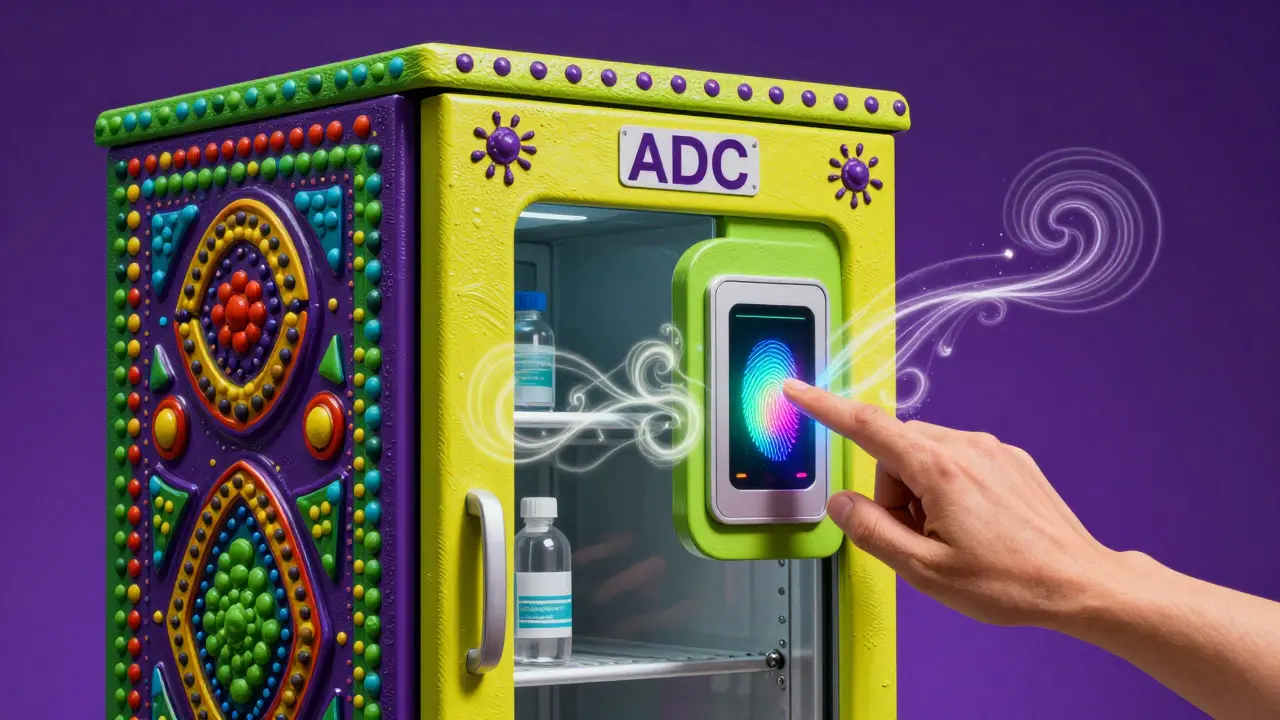
If you want to seriously slash the risk of theft, you need to move away from manual logs and toward technology. Automated Dispensing Cabinets (ADCs) are the current industry standard. These are essentially high-tech vending machines for meds that require biometric scans or unique codes to open. An ADC is an electronic medication storage device that tracks every single transaction in real-time, linking the drug to a specific user and patient.
Why are they so effective? Because they eliminate the "honor system." When a nurse pulls a vial of morphine from an ADC, the system logs exactly who did it, when it happened, and for which patient. Data shows that properly implemented ADCs can reduce diversion incidents by up to 73%. The biggest jump in security comes from using biometric authentication-like fingerprints-which makes it nearly impossible for someone to "borrow" a colleague's password to steal meds.
| Feature | Manual Locked Cabinets | Automated Dispensing Cabinets (ADCs) |
|---|---|---|
| Diversion Risk | High (4.2x higher than electronic) | Low (Significantly reduced) |
| Audit Trail | Paper logs (Easy to forge) | Electronic/Real-time (Hard to forge) |
| Staff Time | Lower initial effort, higher audit time | Higher setup time, lower audit effort |
| Typical Cost | Low (Cost of a safe) | High ($45k - $75k per unit) |
Physical Security and the "Closed System"
Technology is great, but it doesn't matter if your vault is located next to a blind spot in the hallway. Physical layout is a huge part of diversion prevention. You need to treat your storage area like a high-security zone. Start by limiting access. The more people who have a key, the higher the risk. Ideally, only one or two designated individuals should have primary access to the bulk storage vault.
Then, look at your environment. Are there personal lockers hidden in the pharmacy area? That's a red flag. Diversion often involves hiding stolen meds in bags or purses before walking them out of the building. To counter this, many top-tier facilities have a strict "no personal bags" policy in medication areas. It sounds harsh, but it works. By moving bags to a designated locker area outside the pharmacy, you remove the easiest way for someone to smuggle substances out.
For those using manual systems, the only way to stay safe is through a strict dual-control protocol. This means two authorized people must be present for every single single action-opening the safe, counting the stock, and signing the log. If you're a small facility and can't afford an ADC, this is your only real line of defense.
Managing the Danger Zones: Handoffs and Waste
Most diversions don't happen while a drug is sitting in a locked safe; they happen during the move. The "danger zones" are the hand-offs-like when a pharmacist moves stock from the vault to a floor cabinet or when a nurse wastes a partial dose of a medication.
When a nurse "wastes" a drug (e.g., they only use half a vial of fentanyl), that's a prime opportunity for diversion. A common trick is to replace the diverted drug with saline solution. To stop this, you need a "witness' waste" policy. A second licensed professional must physically watch the drug be destroyed and sign off on it immediately. Don't let people say, "I'll sign it later." Later is when the drug disappears.
Another high-risk area is compounding. When drugs are being mixed or prepared, the documentation often switches to manual. This creates an audit gap. If you're compounding controlled substances, you need a dedicated log that tracks the exact amount used versus the amount remaining in the source vial. Any discrepancy, even a tiny one, should be flagged immediately.
Auditing and Spotting the "Outliers"
A lock is just a piece of metal if no one checks the logs. To prevent diversion, you have to be a detective. You aren't looking for a missing bottle; you're looking for patterns. This is where AI-powered anomaly detection is starting to change the game, but you can do this manually too.
Review your dispensing records daily. Look for the "outliers." Is one nurse pulling significantly more opioids than others on the same ward? Is a specific staff member consistently overriding the ADC system? While there might be a legitimate clinical reason, these patterns are the biggest warning signs of a diversion problem. When you combine behavioral monitoring (like watching for signs of impairment) with these data outliers, you can catch diversion incidents much faster.
Remember, the Drug Enforcement Administration (DEA) doesn't just care that you have a lock; they care that you have an effective control system. The DEA is the federal agency responsible for enforcing the Controlled Substances Act and ensuring that registered practitioners maintain strict accounting of all narcotics. If you have a "significant loss," you're required to report it within one business day. Failing to do so can lead to massive civil penalties.

The Step-by-Step Storage Checklist
If you're auditing your current setup, use this checklist to find the gaps in your security.
- Access Control: Are keys/codes limited to the absolute minimum number of staff?
- Biometrics: If using ADCs, is biometric authentication enabled to prevent password sharing?
- Blind Spots: Are all storage areas and vaults visible on security cameras or in open view?
- Bag Policy: Are personal bags and purses prohibited in the immediate medication preparation area?
- Dual Sign-off: Is every single waste event witnessed and signed by two licensed professionals?
- Inventory Cycle: Are high-risk medications (Schedule II) counted daily or weekly?
- Audit Review: Does a pharmacist review ADC logs daily to look for usage outliers?
What is the most common way drugs are diverted from storage?
The most common methods involve exploiting gaps in documentation. This includes "phantom wasting" (claiming a drug was thrown away when it was actually stolen) or replacing a diverted medication with a look-alike substance like saline. Many diversions also happen during bulk transfers from a central pharmacy to a floor-stock cabinet where manual logs are used instead of electronic tracking.
Do I really need an ADC for a small clinic?
While ADCs are expensive, they drastically reduce risk. However, if the cost is prohibitive, you can implement a rigorous manual dual-control system. This requires two authorized staff members to be present for every single access and transaction. The tradeoff is that this takes significantly more staff time and is more prone to human error or collusion.
How often should I perform inventory counts for controlled substances?
High-risk substances, particularly Schedule II narcotics, should ideally be counted daily. At a minimum, a full inventory audit should be conducted weekly. Discrepancies should be investigated immediately rather than waiting for the end of the month, as prompt intervention is the best way to stop a diversion habit before it escalates.
What should I do if I suspect a staff member is diverting meds?
First, gather your data. Look at the ADC logs and waste records to find the specific pattern. Once you have evidence of an outlier, involve your compliance officer and legal counsel. Many facilities implement a supportive approach, offering treatment for substance use disorder, but the priority must remain patient safety and regulatory compliance, which often requires reporting the loss to the DEA.
Does the DEA inspect storage areas during every visit?
Yes, nearly always. Data indicates that the DEA examines controlled substance storage areas in about 98% of their onsite inspections. They are looking for "effective controls," which means they want to see that your physical locks match your written policies and that your logs are complete and accurate.
Next Steps for Facilities
If you've realized your current storage is lacking, don't try to change everything overnight. Start with the "low-hanging fruit." Implement a strict no-bags policy in the pharmacy and mandate dual-witnessing for all waste today. Those two changes alone can eliminate a huge percentage of diversion opportunities.
Next, perform a gap analysis. Map out every single point where a drug changes hands-from the delivery truck to the pharmacy vault, from the vault to the ADC, and from the ADC to the patient. Identify where you are still using paper logs and target those areas for electronic upgrades. If you can't afford a full ADC system, consider a smaller-scale electronic tracking software to replace manual ledgers.
Finally, train your staff. Most people aren't stealing, but they might be lax with the rules because they trust their coworkers. Make it clear that these protocols aren't about a lack of trust-they're about protecting the staff and the patients from the devastating effects of drug diversion.