
Naloxone Dosage Calculator
How to Use This Tool
This calculator helps determine appropriate naloxone dosage for opioid overdose situations. Based on CDC guidelines and the article content, it provides dosage recommendations for different opioid types and overdose severity levels. Always call 911 immediately after administering naloxone.
Recommended Dosage
Always call 911 immediately after administering naloxone - emergency medical help is non-negotiable.
How to Administer
- For nasal spray: Tilt head back slightly, insert nozzle fully into one nostril, press plunger until click
- If no response after 2-3 minutes, give second dose in other nostril
- Continue rescue breathing while waiting for response
Why a Naloxone Readiness Plan Isn’t Optional Anymore
If someone you know is taking opioids - whether for chronic pain, after surgery, or as part of addiction treatment - they’re at risk of overdose. And that risk doesn’t go away just because they’re following their prescription. In fact, 86.7% of opioid-related deaths happen in people who weren’t even prescribed opioids at the time. That means safety isn’t just about doctors and prescriptions. It’s about having a plan ready, anytime, anywhere.
Naloxone is the only medication that can reverse an opioid overdose. It works fast - usually within 2 to 5 minutes - by kicking opioids off brain receptors and bringing breathing back to normal. But it only works if it’s available, if someone knows how to use it, and if they act immediately. A naloxone readiness plan isn’t a luxury. It’s the difference between life and death.
What Naloxone Can (and Can’t) Do
Naloxone isn’t a cure-all. It doesn’t treat pain. It doesn’t reverse overdoses from alcohol, benzodiazepines, or cocaine. It only works on opioids - including prescription painkillers like oxycodone, illegal drugs like heroin, and deadly synthetics like fentanyl and carfentanil.
Here’s the good news: if you give naloxone to someone who isn’t overdosing on opioids, it does nothing. No harm. No side effects. That’s why experts say: when in doubt, give it.
The catch? Naloxone’s effects last only 30 to 90 minutes. Many opioids, especially fentanyl, stay in the body much longer. That means someone can start breathing again after one dose - then slip back into overdose hours later. That’s why you always need to call 911 after giving naloxone. Emergency help is non-negotiable.
How to Build a Naloxone Readiness Plan
A readiness plan isn’t just about having a kit. It’s about preparing people to act. Here’s what a real, working plan looks like:
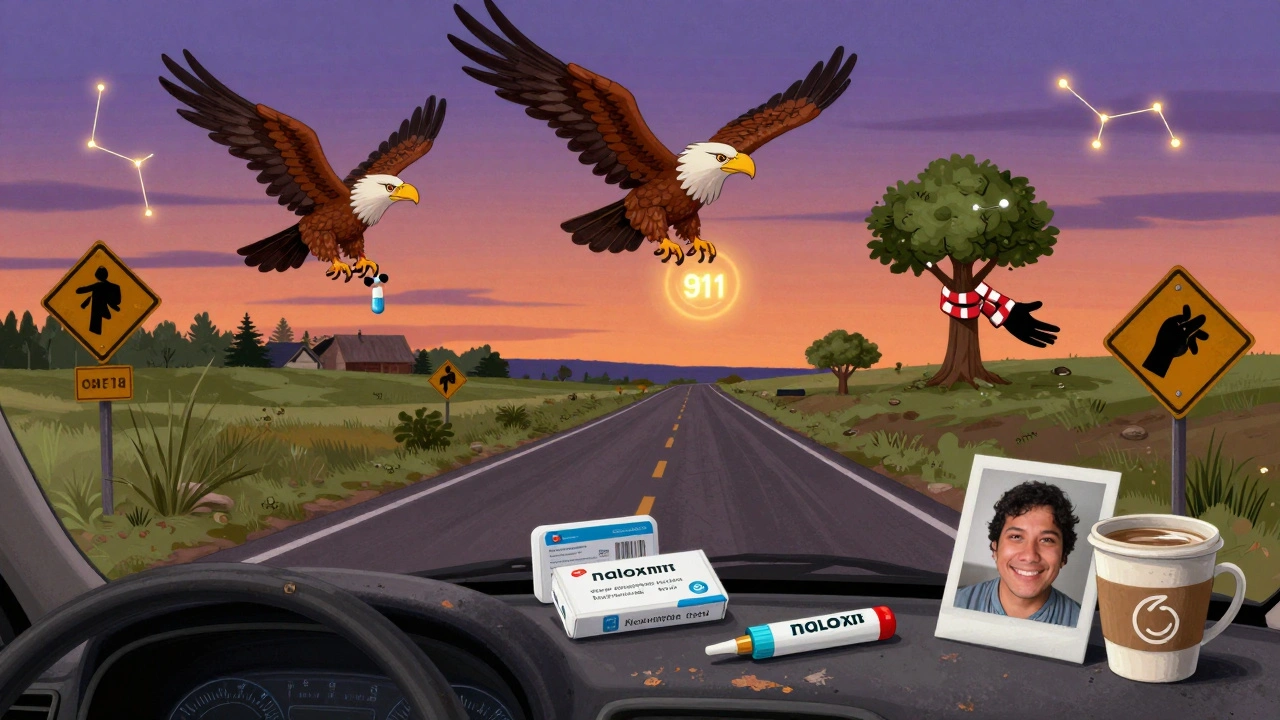
- Keep naloxone within 30 seconds of reach. Store it where it’s easy to grab - not in a locked cabinet, not buried in a drawer. Keep one in the car, one by the bed, one in the bathroom. If you’re managing care for someone on opioids, keep at least two doses on hand. Rural areas or homes far from hospitals should have three or more.
- Choose the right formulation. Nasal sprays (like NARCAN®) are easiest for most people. One spray (4mg) into one nostril is enough for most overdoses. If you’re in a clinical setting or have training, injectable naloxone (0.4mg per vial) works too. Auto-injectors are reliable but expensive. For most families, nasal spray is the best balance of ease and effectiveness.
- Check expiration dates. Naloxone lasts 18 to 24 months. Replace kits before they expire. Outdated naloxone won’t harm someone - but it might not work.
- Train everyone who might need to use it. This includes family members, caregivers, coworkers, even neighbors. You don’t need to be a nurse. A 20-minute hands-on session with a trainer (or a video from the CDC) is enough to get 92% of people to administer it correctly.
- Write down the steps. Tape a simple checklist to the fridge or phone: 1. Check for unresponsiveness. 2. Call 911. 3. Give naloxone. 4. Do rescue breathing. 5. Wait for EMS. People panic in emergencies. A written plan keeps them on track.
Who Needs Naloxone? The Real Answer
You don’t have to be addicted to opioids to need naloxone. The CDC says 38.2% of opioid overdose deaths in 2021 involved people who were only taking prescribed painkillers. That means your aunt with chronic back pain, your brother recovering from surgery, or your friend on long-term opioid therapy - they’re all at risk.
Doctors are now being told to offer naloxone with every new opioid prescription longer than three days. The American Medical Association says it should be standard. But too many still don’t ask. If you’re prescribed opioids, ask for naloxone. If you’re not, but someone you care for is - get it anyway.
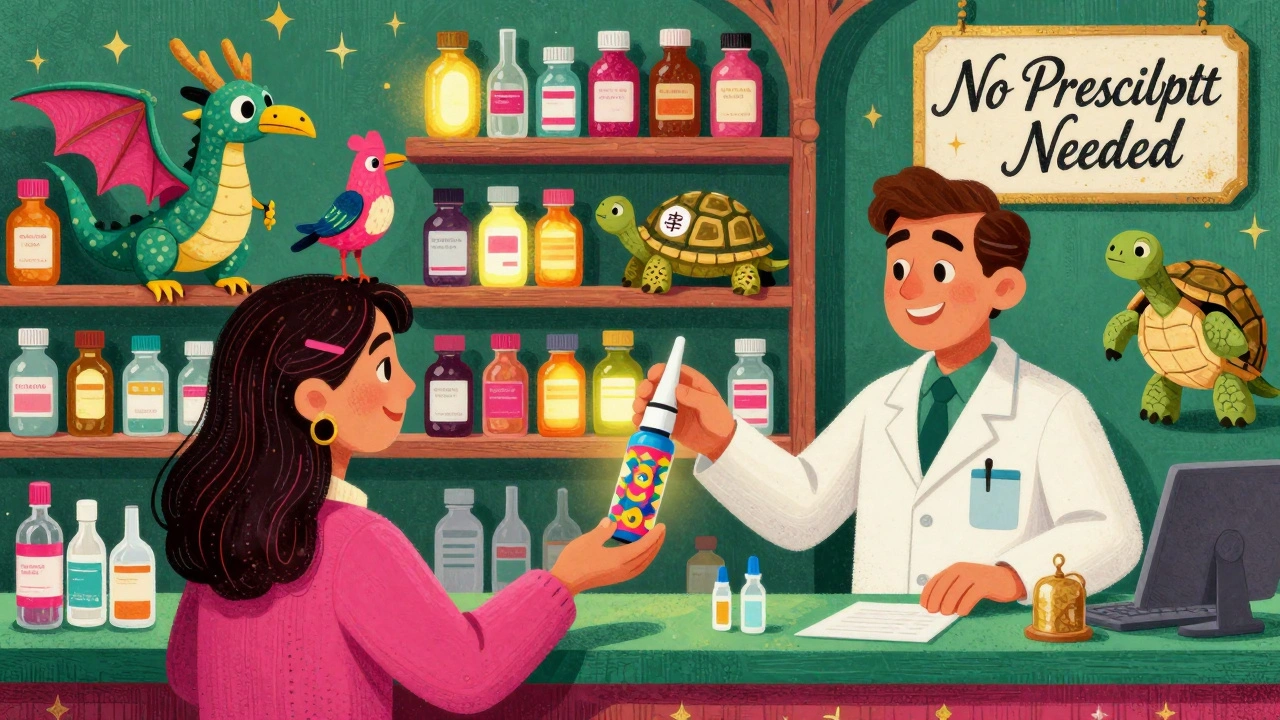
And don’t wait for a crisis. Naloxone access laws are in place in 47 states. You can walk into most pharmacies and buy it without a prescription. Many community health centers and harm reduction programs give it out for free.
How to Use Naloxone - Step by Step
Here’s what to do if you suspect an opioid overdose:
- Check for signs: Is the person unresponsive? Are their lips or fingertips blue? Are they breathing very slowly or not at all? Are their pupils pinprick-sized? These are the big red flags.
- Call 911 immediately. Don’t wait. Don’t try to wake them up first. Emergency services need to be on the way before you give naloxone.
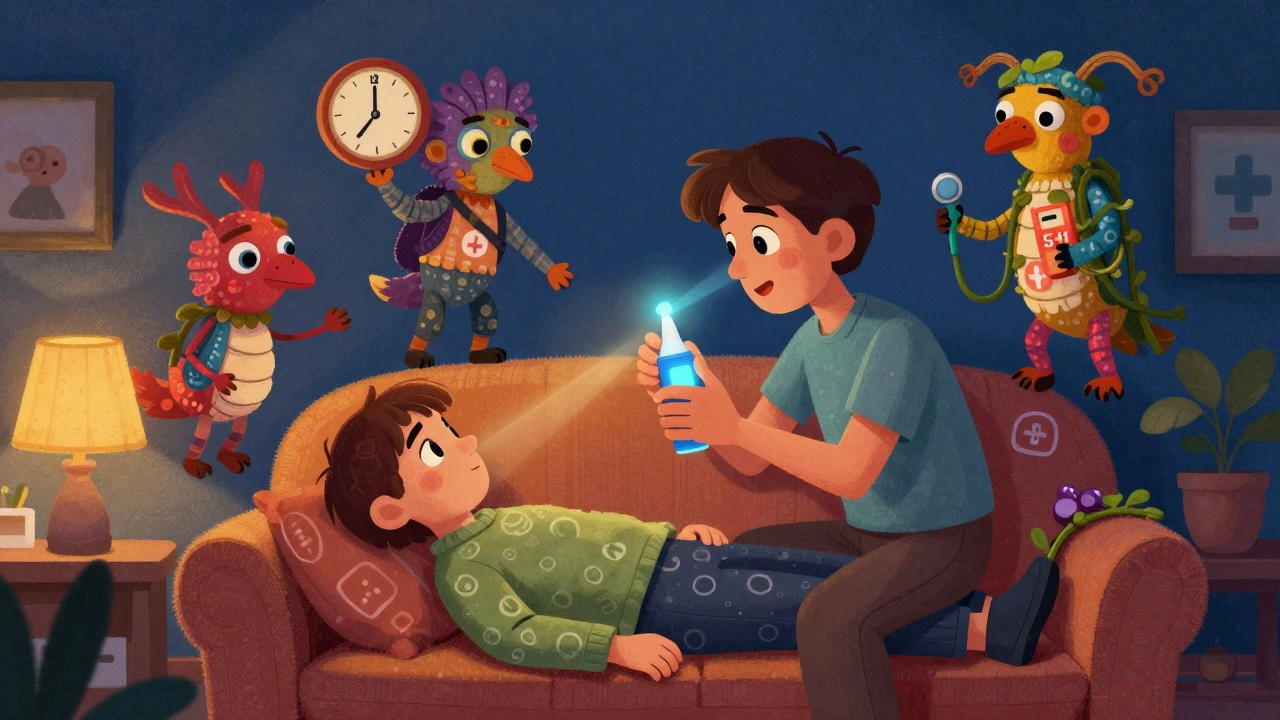
- Give naloxone: For nasal spray: Tilt the head back slightly. Insert the nozzle fully into one nostril. Press the plunger firmly until you hear a click. That’s one full dose. If there’s no response after 2-3 minutes, give a second dose in the other nostril.
- Do rescue breathing: While waiting for the naloxone to work, start breathing for them. Tilt the head back, lift the chin, pinch the nose, and give one breath every 5 seconds. This keeps oxygen flowing until they can breathe on their own. Studies show brain damage can start in under 3 minutes without oxygen.
- Stay with them: Even if they wake up, don’t leave. Naloxone wears off faster than many opioids. They could overdose again. Keep monitoring for at least 2 hours. Keep them awake and sitting up if possible.
Common Myths - and the Truth
- Myth: Giving naloxone encourages drug use. Truth: No study has ever shown that. People who use naloxone to save a loved one don’t suddenly start using more drugs. They save lives - and often become advocates for better care.
- Myth: Only addicts need it. Truth: Most overdoses happen to people taking prescribed opioids. It’s not about behavior. It’s about chemistry.
- Myth: Naloxone doesn’t work on fentanyl. Truth: It does - but you might need two or three doses. Fentanyl is 50 to 100 times stronger than morphine. Don’t stop after one spray if there’s no response.
- Myth: I’ll get in trouble for giving it. Truth: All 50 states have Good Samaritan laws protecting people who help in overdoses. You can’t be arrested for giving naloxone.
Barriers to Getting Naloxone - And How to Beat Them
Even though naloxone is more available than ever, many people still can’t get it. Here’s why:
- Cost: Without insurance, a nasal spray costs $130-$150. That’s too much for many families. Solution: Go to a local health department, harm reduction center, or community clinic. Many give it out free. Some pharmacies offer discount programs.
- Stigma: Many doctors still don’t bring it up. Patients feel judged. Solution: Ask directly. Say: “I’m taking opioids. Can you give me naloxone?” If they say no, ask for a referral.
- Ignorance: 47% of Americans don’t know where to get it. Solution: If you know where to find it, tell someone. Post it on social media. Share a link to your state’s health department website.
- Training gaps: Many pharmacy staff aren’t confident in how to teach people to use it. Solution: Watch a 5-minute CDC video together. Practice on a training device (many clinics have them).
What’s Changing - And What’s Next
The FDA approved the first over-the-counter naloxone nasal spray in March 2023. It hit store shelves in September 2023. That’s a huge step. You can now buy it like ibuprofen - no prescription needed.
More states are passing laws to put naloxone in schools, libraries, and public buildings. The Biden administration now requires it in all federal facilities by the end of 2024.
But here’s the hard truth: naloxone saves lives - but it doesn’t stop overdoses from happening. The real solution is better pain management, access to addiction treatment, and mental health support. Only 18.5% of people with opioid use disorder get the medication they need.
Naloxone is a lifeline. But we need more than lifelines. We need a system that prevents overdoses before they start.
Where to Get Naloxone Right Now
You don’t need to wait. Here’s how to get it today:
- Walk into any major pharmacy (CVS, Walgreens, Rite Aid, Walmart) and ask for NARCAN® nasal spray. No ID or prescription needed.
- Search your state’s health department website for free naloxone distribution programs. Most offer mail delivery or pickup.
- Call your local harm reduction center. Many are run by nonprofits and give out kits for free.
- If you’re a caregiver or family member, ask your doctor for a prescription. Even if they don’t offer it routinely, they can still write one.
Final Thought: You Don’t Have to Be a Hero - Just Ready
You don’t need to be brave. You don’t need to be trained. You just need to have the kit and know what to do when it matters.
Overdose doesn’t wait for perfect conditions. It happens in bathrooms, in cars, in living rooms. If you’re prepared, you’re not just helping someone - you’re giving them a second chance. And that’s not just medicine. That’s humanity.


