

Every time you pick up your prescription, you might be getting a different pill-even if the name on the bottle hasn’t changed. That’s because there are now multiple generic manufacturers making the same drug. And if you’re on a medication with a narrow therapeutic index-like warfarin, levothyroxine, or tacrolimus-this switch can matter more than you think.
Why Do Generic Medications Keep Changing?
Generic drugs are cheaper versions of brand-name medicines. Once a patent expires, other companies can make the same drug using the same active ingredient. The FDA says these generics must work the same way in your body. But here’s the catch: they don’t have to look the same, and they’re not always made by the same company. In the U.S., over 90% of prescriptions are filled with generics. That’s great for savings-generics cost 80% to 85% less than brand names. But with so many manufacturers competing, pharmacies often switch to the cheapest option available each time you refill. Insurance companies push for the lowest price. Pharmacies do it to save money. And you? You might not even notice. You could be taking a generic version made by Teva one month, then Mylan the next, then Sandoz the month after that. All have the same active ingredient. But the fillers, dyes, coatings, and how the pill breaks down in your body? Those can vary.When Switching Can Cause Problems
Not all drugs are created equal when it comes to switching. For most medications-like statins, blood pressure pills, or antibiotics-switching between generics causes no noticeable difference. Many people take generic lisinopril or atorvastatin for years and never miss a beat. But for drugs with a narrow therapeutic index (NTI), even tiny changes in how much of the drug enters your bloodstream can cause serious side effects or make the medicine stop working. Three big examples:- Levothyroxine (for hypothyroidism): A small drop or spike in hormone levels can make you tired, gain weight, or feel anxious. Patients report feeling awful for weeks after switching manufacturers. Studies show TSH levels often go out of range after a switch.
- Warfarin (a blood thinner): Too little and you risk a clot. Too much and you could bleed internally. Even small changes in absorption can push your INR (a blood test that measures clotting) out of the safe zone.
- Tacrolimus (for transplant patients): If your body doesn’t absorb the right amount, your new organ could be rejected. This isn’t theoretical-it’s life-or-death.
What Happens When You Switch?
When a pharmacy switches your generic, they’re not required to tell you. Your doctor might not know either. In a 2023 survey, 62% of doctors said they only found out about a switch when a patient came in with symptoms. Patients often don’t realize it’s happened. Pills change color, shape, size, or markings. One person described it as “getting a different phone every month.” You might think you’re still on the same medicine, but your body is reacting to new inactive ingredients. One Reddit user shared: “My seizure med switched from Mylan to Teva. Two weeks later, I had two breakthrough seizures. My neurologist checked my blood levels-they dropped 30%.” Another patient wrote on Drugs.com: “Every time my levothyroxine changes, I feel like I’m dragging through mud for weeks. My TSH goes crazy. I have to go back to the doctor, get a new dose, and wait again.” On the flip side, 68% of patients report no issues at all. For many, switching generics is seamless. But the ones who do have problems? They’re often the ones who need the most help.
How to Protect Yourself
You don’t have to accept random switches. Here’s what you can do:- Check your pills. Every time you pick up a refill, look at the shape, color, and imprint code (the letters or numbers on the pill). If it’s different, ask the pharmacist: “Is this the same manufacturer as last time?”
- Ask for a specific brand. If you’re on an NTI drug, ask your doctor to write “Dispense as written” or “Do not substitute” on your prescription. This stops the pharmacy from switching without permission.
- Request a lock-in. Some pharmacies and insurers offer “lock-in” programs for high-risk drugs. This means you get the same generic every time. Ask if yours offers it.
- Get blood tests checked. If you’re on warfarin, levothyroxine, or tacrolimus, ask your doctor to check your levels 2-4 weeks after any manufacturer change. Don’t wait for symptoms.
- Use a pill tracker app. Apps like Medisafe or MyTherapy let you log each pill you take. If the appearance changes, you’ll know right away.
What Doctors and Pharmacies Should Do
Healthcare providers need to be proactive. The FDA recommends pharmacists note the manufacturer on prescriptions for NTI drugs. Some hospitals now have formularies that only allow one generic version for drugs like levothyroxine. Pharmacists should counsel patients every time a switch happens-not just when they ask. A quick “Your pill looks different today-this is a different maker, but it’s still the same medicine” can prevent panic. But too often, that conversation doesn’t happen. A 2021 statement from the American College of Clinical Pharmacy said it clearly: “Frequent switching between multiple generic manufacturers may compromise therapeutic outcomes for certain drug classes.”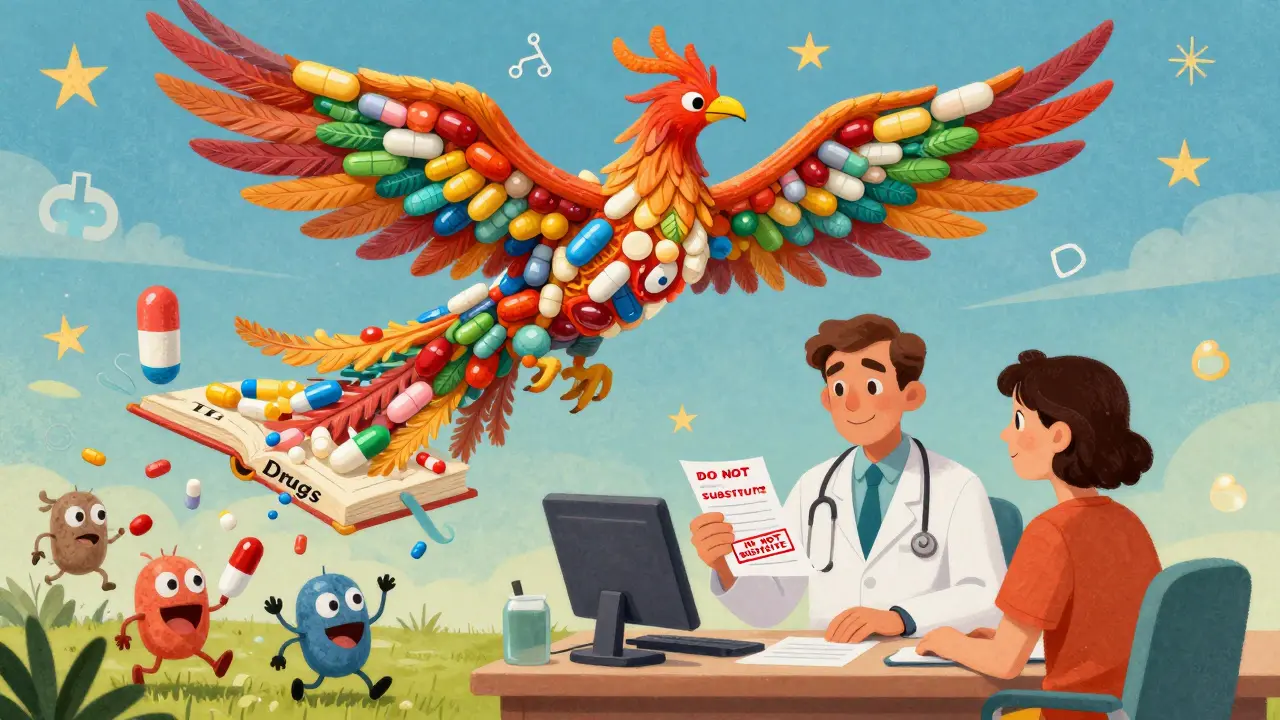
What’s Being Done About It?
The FDA is starting to take notice. In 2023, they launched a pilot program requiring generic manufacturers to report any major formulation changes. In 2024, Medsafe (New Zealand’s drug regulator) issued new guidance advising against switching levothyroxine brands unless absolutely necessary. The Generic Pharmaceutical Association is working on standardized pill designs to reduce confusion. Imagine if every generic levothyroxine looked the same, no matter who made it. That would help. But until then, the system still favors cost over consistency. And patients are left to figure it out on their own.Bottom Line: Know Your Meds
Generic drugs save billions every year. That’s a win. But not all generics are interchangeable, especially for high-risk medications. If you’re on a drug for thyroid disease, epilepsy, organ transplant, or blood thinning-don’t assume all generics are the same. Pay attention to how your pills look. Track your symptoms. Ask questions. Get tested after a switch. For most people, switching generics is fine. But for those who aren’t so lucky, the difference between one manufacturer and another can be the difference between feeling well and ending up in the hospital. Your health isn’t a commodity. Don’t let cost savings come at the price of your safety.Can I ask my pharmacy to always give me the same generic manufacturer?
Yes. You can ask your pharmacist to fill your prescription with the same generic manufacturer each time. If they say they can’t, ask your doctor to write "Dispense as written" or "Do not substitute" on the prescription. This legally prevents the pharmacy from switching without your doctor’s approval.
Are generic drugs as safe as brand-name drugs?
For most medications, yes. Generic drugs must meet the same FDA standards for safety and effectiveness as brand-name drugs. But for drugs with a narrow therapeutic index-like warfarin or levothyroxine-even small differences in how the body absorbs the drug can matter. In these cases, sticking with one manufacturer is often safer.
Why do generic pills look different every time?
Generic manufacturers can’t copy the exact appearance of the brand-name drug due to trademark laws. So each company makes their version look different-different color, shape, or markings. That’s why your pill might change every refill. It’s not a mistake-it’s the law. But it can confuse patients and make it harder to notice if something’s wrong.
Which drugs are most risky to switch between generics?
Drugs with a narrow therapeutic index (NTI) are the most risky. These include levothyroxine (for thyroid), warfarin (blood thinner), tacrolimus (transplant), phenytoin and carbamazepine (anti-seizure), and lithium (for bipolar disorder). Even small changes in blood levels can cause serious side effects or treatment failure.
Should I stop taking my generic if the pill looks different?
No, don’t stop. But do check with your pharmacist or doctor. A change in appearance doesn’t mean the medicine is unsafe-it just means you’ve switched manufacturers. Ask if this is a new version and whether you need a blood test to make sure your levels are still in range.


