
Herbal Tea & Medication Interaction Checker
Check potential interactions between your medications and popular herbal teas. This tool is for informational purposes only and does not replace professional medical advice.
Many people reach for herbal teas thinking they’re harmless-just a warm, natural drink. But if you’re taking prescription medications, that cup of chamomile, green tea, or hibiscus could be doing more than soothing your throat. It might be changing how your medicine works, sometimes in dangerous ways. Herbal teas aren’t regulated like drugs, so you won’t find warning labels on the box. But the science is clear: some of these teas can interfere with medications in ways that could lead to side effects, reduced effectiveness, or even hospitalization.
How Herbal Teas Interact with Medications
Herbal teas don’t just float around in your body. They contain active compounds that can change how your body handles medications. There are two main ways this happens:
- Pharmacokinetic interactions: These affect how your body absorbs, breaks down, or gets rid of a drug. For example, certain compounds in tea can block enzymes in your liver that are supposed to break down medications. This can cause the drug to build up to toxic levels-or, conversely, get cleared too fast, making it useless.
- Pharmacodynamic interactions: These change how a drug works at its target site. For instance, if you’re on a blood thinner and drink hibiscus tea, both might work together to thin your blood even more, raising your risk of bleeding.
It’s not just about strength. Even a regular cup of tea brewed from dried herbs can have enough active ingredients to matter. You don’t need to take concentrated extracts to be at risk.
Teas That Can Cause Real Problems
Not all herbal teas are risky, but some have well-documented interactions. Here are the big ones:
Green Tea
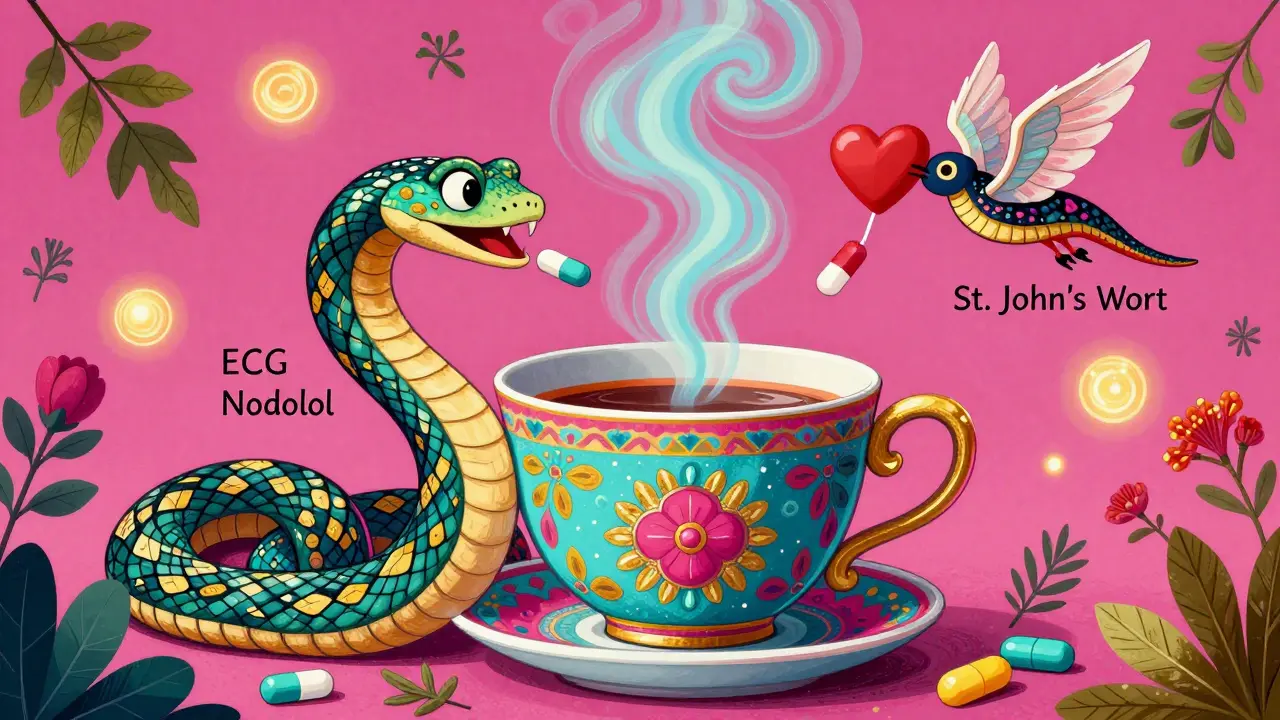
Green tea is popular for its antioxidants, but it’s also one of the most dangerous when mixed with medications. The compound epigallocatechin gallate (EGCG) interferes with drug transporters in your gut and liver. Studies show it can slash blood levels of:
- Nadolol (a beta-blocker) by up to 85%
- Atorvastatin (a cholesterol drug) by 31-39%
This isn’t theoretical. In a 2023 clinical trial, 12 people who drank three strong cups of green tea daily for a week saw their nadolol levels drop dramatically. Their heart rate and blood pressure control likely suffered as a result.
St. John’s Wort
This one’s especially tricky because it’s often sold as a natural remedy for low mood. But it’s a powerful enzyme inducer. It speeds up the liver’s ability to break down over 50% of common medications, including:
- Antidepressants
- Birth control pills
- Heart medications like digoxin
- Immunosuppressants like cyclosporine
People on cyclosporine after organ transplants have lost their grafts because St. John’s wort made the drug ineffective. Birth control failure has also been documented. If you’re taking any of these, avoid it entirely.
Chamomile
Chamomile tea is soothing, but it contains apigenin, which may interfere with the CYP3A4 enzyme system. This enzyme processes many drugs, including:
- Oral contraceptives
- Some statins
- Antifungal medications
While human data is limited, lab studies show it can reduce how well these drugs work. If you’re on birth control and drink chamomile tea daily, you might not be getting the protection you think you are.
Hibiscus Tea
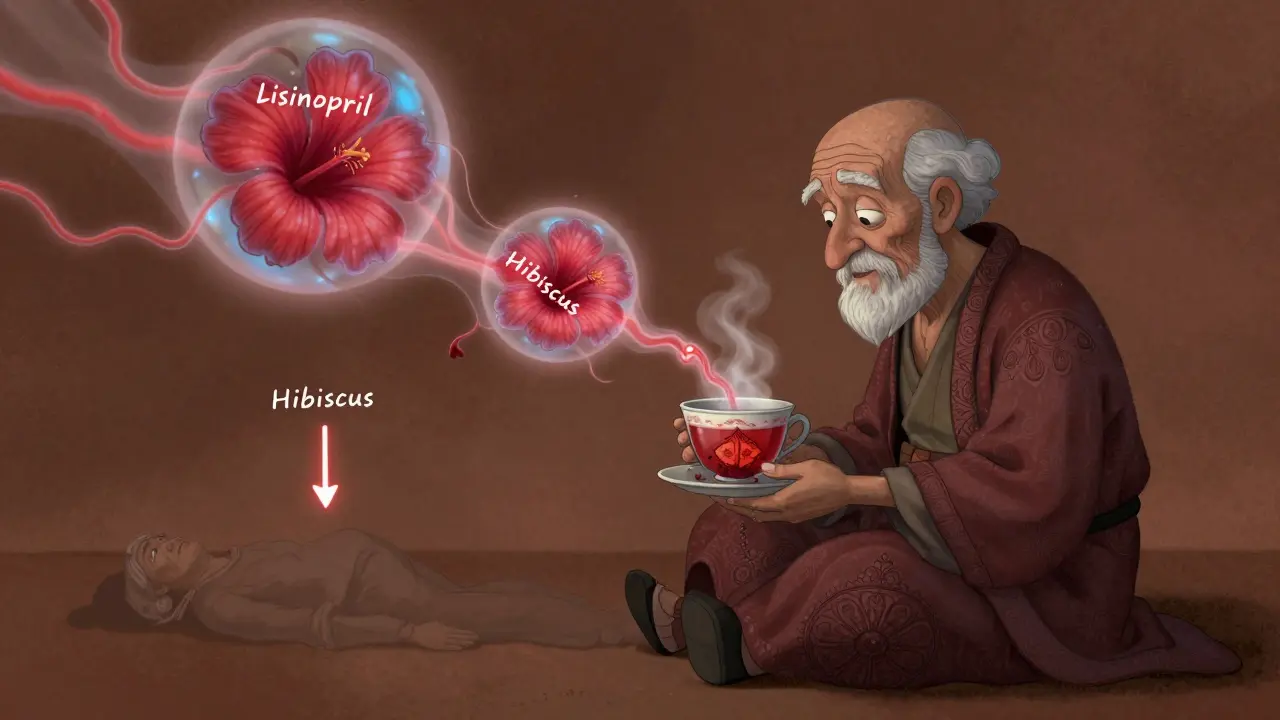
Hibiscus tea is often marketed as a natural way to lower blood pressure. That sounds great-until you’re already on blood pressure meds. Studies have found hibiscus tea can amplify the effect of ACE inhibitors like lisinopril. In documented cases, people’s systolic blood pressure dropped below 90 mmHg, leading to dizziness, fainting, and falls. If you’re on blood pressure medication, limit hibiscus tea to occasional sips.
Ginkgo Biloba, Garlic, and Ginseng
These are common in supplements, but they’re also brewed as teas. All three can increase bleeding risk when taken with blood thinners like warfarin. Ginkgo, in particular, has been linked to brain bleeds in people on warfarin. Garlic and ginseng also thin the blood. If you’re on anticoagulants, avoid these teas entirely.
Who’s at Highest Risk?
Some people are more vulnerable than others:
- Older adults: Nearly 70% of people over 65 use herbal products, but only 25% tell their doctor. They’re also more likely to be on multiple medications, increasing interaction risks.
- People on narrow-therapeutic-index drugs: These are medications where the difference between a helpful dose and a toxic one is tiny. Examples include warfarin, digoxin, cyclosporine, and theophylline. Even small changes in how your body handles these can be dangerous.
- People with liver or kidney disease: Your body’s ability to process herbs and drugs is already compromised.
- Those taking multiple medications: The more drugs you take, the higher the chance one of them will react with a tea you drink.
What You Should Do
You don’t have to give up herbal tea. But you need to be smart about it.
- Make a list: Write down every tea, supplement, or herb you take-even if you think it’s harmless. Include how often and how much.
- Bring it to every appointment: Don’t wait for your doctor to ask. Say: “I drink chamomile tea every night and green tea in the morning. Is that okay with my meds?”
- Be cautious with new teas: If you’re starting a new herbal tea, hold off for a few days and watch for changes in how you feel. Dizziness, unusual bruising, or changes in heart rate could be signs of an interaction.
- Avoid tea blends with multiple herbs: The more ingredients, the harder it is to know what’s causing a problem. Stick to single-herb teas if you’re on meds.
- Don’t assume “natural” means safe: The FDA has issued warnings because people keep thinking that. Herbal doesn’t mean harmless.
What Your Doctor Should Ask
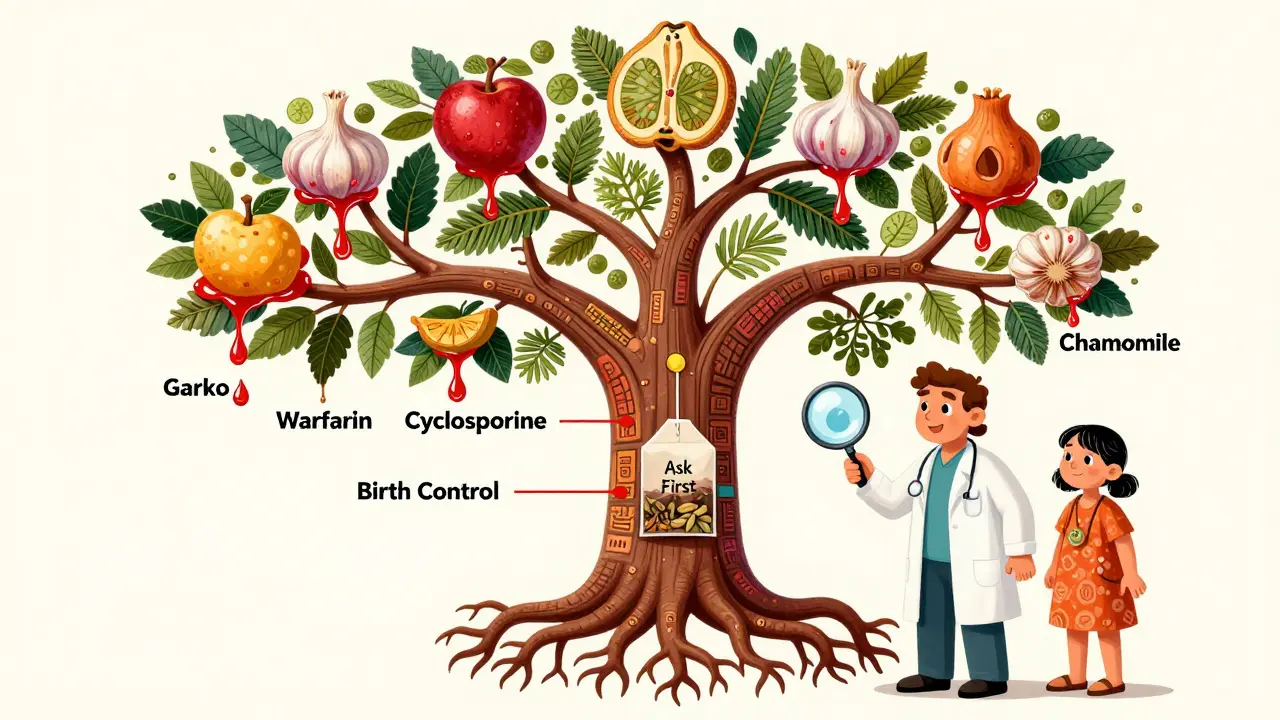
Many doctors still don’t ask about herbal teas. But they should. If you’re on medications, your provider should specifically ask:
- “Do you drink any herbal teas daily?”
- “Have you started any new teas in the last month?”
- “Are you using teas for sleep, digestion, or blood pressure?”
Teas are often overlooked because they’re not labeled as “supplements.” But they’re just as potent. If your doctor doesn’t ask, bring it up yourself.
The Bottom Line
Herbal teas can be part of a healthy routine-but not if they’re sabotaging your meds. The risks are real, and they’re not just for people taking strong drugs. Even common medications like blood pressure pills or birth control can be affected. You don’t need to stop drinking tea entirely. But you do need to know which ones to avoid and when to talk to your doctor. If you’re unsure, skip it. There’s no benefit worth risking your health.
Can I still drink herbal tea if I take medications?
Yes, but not all herbal teas are safe. Some, like green tea, St. John’s wort, and hibiscus, can interfere with common medications. The safest approach is to know which teas you’re drinking and check with your doctor or pharmacist before continuing. If you’re on blood thinners, heart meds, or birth control, be especially cautious.
Are herbal teas regulated like drugs?
No. Under the Dietary Supplement Health and Education Act of 1994, herbal teas are treated as food, not medicine. That means they don’t need FDA approval before being sold, and manufacturers aren’t required to prove they’re safe or effective. The FDA only steps in after problems are reported. This is why you won’t find warning labels on tea boxes-even when the risks are well-documented.
Do I need to stop drinking tea if I start a new medication?
Not necessarily, but you should pause and check. When starting a new drug, especially one with a narrow therapeutic index like warfarin, digoxin, or cyclosporine, it’s wise to avoid herbal teas for at least a week. Monitor how you feel and ask your pharmacist or doctor if your specific tea is safe with your new medication. Don’t assume it’s fine just because it’s natural.
Is decaffeinated green tea safer than regular green tea?
No. The interaction risk comes from EGCG and other plant compounds, not caffeine. Decaffeinated green tea still contains the same levels of these active ingredients. If you’re on medications like nadolol or atorvastatin, decaf green tea can still reduce their effectiveness by up to 85% or 39% respectively. Caffeine content doesn’t change the risk.
What should I do if I think my tea is interacting with my medicine?
Stop drinking the tea immediately and contact your doctor or pharmacist. Signs of interaction include unusual bruising, dizziness, rapid heartbeat, confusion, or sudden changes in blood pressure or blood sugar. Don’t wait for symptoms to get worse. Keep a log of what you drank and when, and bring it with you. This helps your provider identify the cause quickly.


