

Supplement Timing Calculator
How to Use This Calculator
Select your medication and supplements to calculate optimal timing for maximum absorption. Based on guidelines from medical research, this tool helps prevent interactions that reduce effectiveness.
Many people take calcium and iron supplements to support bone health or fix low iron levels. But if you’re also on medication - especially antibiotics, thyroid pills, or heartburn drugs - you might be unknowingly blocking your own body from absorbing what you need. It’s not just about taking pills. It’s about timing.
Why Calcium and Iron Fight for Absorption
Your gut doesn’t have unlimited space for minerals. Calcium and iron (especially non-heme iron from supplements and plants) both use the same tiny transporters in your small intestine to get into your bloodstream. When they show up at the same time, they compete. One wins. Usually, it’s calcium. A 1991 study from the American Journal of Clinical Nutrition found that just 600 mg of calcium - about the amount in two Tums tablets - cut iron absorption by nearly half. Even more striking: when calcium was taken with food, iron absorption dropped by up to 62%. That’s not a small effect. For women who need 18 mg of iron daily, regular calcium with meals can make it nearly impossible to meet that target. Calcium carbonate, the most common form in supplements and antacids, makes things worse. It acts like an antacid, raising stomach pH. Iron needs acid to dissolve properly. Less acid = less iron absorbed. Even if you take iron on an empty stomach, if you’ve had a calcium supplement an hour before, you’re still fighting an uphill battle.Antibiotics and Mineral Supplements Don’t Mix
If you’re on antibiotics like ciprofloxacin (Cipro) or doxycycline, taking calcium or iron at the same time can turn your treatment into a waste of time. These antibiotics are tetracyclines and fluoroquinolones. They bind to calcium, iron, magnesium, and aluminum like glue. Once bound, your body can’t absorb the antibiotic. The infection doesn’t clear. The bacteria keep growing. Pharmacists see this all the time. A patient comes back saying, “The antibiotic didn’t work.” Turns out, they were taking their pill with a calcium gummy or a multivitamin. The result? Subtherapeutic levels. The infection lingers. Maybe it gets worse. The fix? Simple. Wait. Take your antibiotic at least 2 hours before or 4 hours after any calcium, iron, or antacid supplement. For tetracyclines, the 4-hour window is critical. For fluoroquinolones, 2 hours is the minimum. Don’t guess. Set an alarm.Thyroid Medication Is Especially Sensitive
If you take levothyroxine for hypothyroidism, you’re in the high-risk group. Calcium, iron, and even magnesium can block thyroid hormone absorption completely. One study showed that taking levothyroxine with a calcium supplement reduced hormone absorption by up to 40%. That’s enough to throw your TSH levels off for weeks. Doctors don’t always warn you about this. But if your thyroid levels keep creeping up even though you’re taking your pill daily, check your supplement schedule. The standard advice? Take levothyroxine first thing in the morning on an empty stomach. Wait at least 4 hours before taking any calcium or iron supplement. Some people find it easier to take their thyroid pill at bedtime - but only if they haven’t eaten for at least 3 hours and won’t take minerals for another 4.Heartburn Drugs Are Quiet Saboteurs
You might not think of Tums or omeprazole as a problem. But they are. These drugs lower stomach acid. And without enough acid, iron can’t dissolve. No dissolution = no absorption. Long-term use of proton pump inhibitors (PPIs) like Prilosec or Nexium is linked to iron deficiency - even in people who eat plenty of iron-rich foods. If you’re on a PPI and your iron levels are low, it’s not just your diet. It’s the medication. Your doctor might need to switch your heartburn treatment or prescribe a higher iron dose. H2 blockers like famotidine (Pepcid) have the same effect. If you’re taking these regularly and also taking iron, you’re stacking two problems: poor absorption from low acid, and competition from calcium.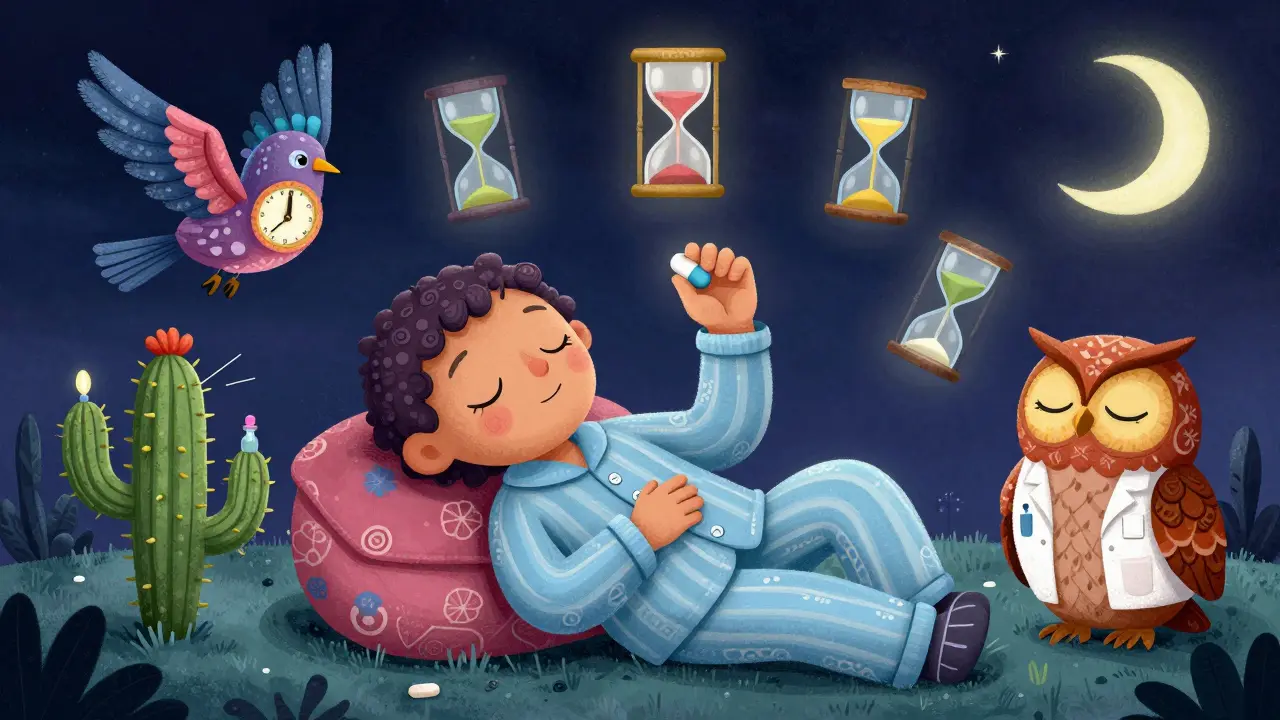
How to Take Iron Without Upsetting Your Stomach
Iron on an empty stomach gives you the best absorption. But for about 40% of people, it causes nausea, cramps, or constipation. So what do you do? You don’t have to suffer. Take iron with a small amount of food - just enough to settle your stomach. Avoid dairy, coffee, tea, or high-fiber meals. Those block iron too. Here’s the trick: pair your iron pill with vitamin C. A glass of orange juice or a 200 mg vitamin C tablet can boost iron absorption by up to 300%. The acid in vitamin C helps keep iron soluble. It’s cheap, effective, and proven. Liquid iron? It stains teeth. Use a straw. Rinse your mouth after. If stains happen, baking soda paste or diluted hydrogen peroxide can help remove them.When to Take Calcium
Calcium is best taken with food. That’s because your body absorbs it better when stomach acid is present. But if you’re also on iron or thyroid meds, that creates a conflict. The solution? Split your doses. Take iron in the morning - on an empty stomach, with vitamin C. Take calcium at dinner or bedtime. That gives you a 6-8 hour gap. Enough time for both to be absorbed without interference. Don’t take calcium and iron in the same multivitamin. Even if the label says “iron and calcium,” they’re not designed to be taken together. They cancel each other out.Other Medications That Interfere
Iron isn’t the only mineral that causes problems. Bisphosphonates like alendronate (Fosamax) for osteoporosis also bind to calcium and iron. Take them on an empty stomach with a full glass of water. Wait at least 30 minutes before eating or taking any supplement. Parkinson’s meds like levodopa and seizure drugs like phenytoin also interact with iron. The rule is the same: space them out by 2-4 hours. Even some cholesterol-lowering drugs like cholestyramine can reduce iron absorption. Always check with your pharmacist when starting a new prescription.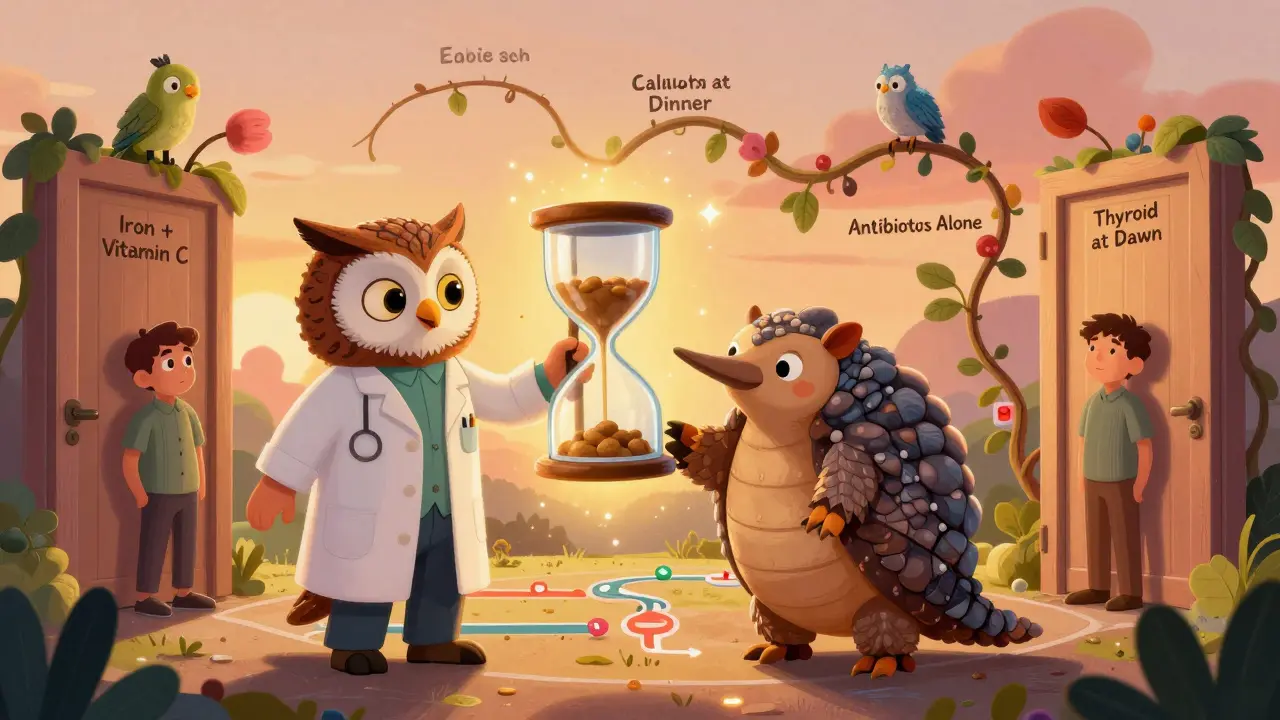
What Happens If You Ignore This?
Ignoring these interactions doesn’t just mean your pills aren’t working. It can lead to real health problems. - Iron deficiency can turn into anemia: fatigue, dizziness, pale skin, shortness of breath. - Low thyroid hormone levels can cause weight gain, depression, cold intolerance, brain fog. - Untreated infections can spread or become resistant. And don’t forget the risks of accidental overdose. Iron pills are the #1 cause of fatal poisoning in children under 6. Keep them locked up. Use childproof caps. If a child swallows one, call poison control immediately. Also, black stools are normal with iron. But if they’re tarry or have red streaks, that’s a sign of bleeding. See a doctor.Simple Rules to Follow
You don’t need to memorize every interaction. Just follow these three rules:- Take iron on an empty stomach - at least 1 hour before or 2 hours after food.
- Pair it with vitamin C - orange juice, supplement, or strawberries.
- Wait 4 hours before taking calcium, antacids, thyroid meds, or antibiotics.
When to Talk to Your Doctor or Pharmacist
If you’re on more than two medications and take supplements daily, schedule a med review. Bring your pill bottles or a list. Ask: - “Do any of these interact with calcium or iron?” - “Should I take them at different times?” - “Is there a better form of this supplement?” Pharmacists are trained for this. They see these conflicts every day. Use them.Bottom Line
Calcium and iron supplements aren’t dangerous. But taking them at the wrong time with the wrong meds can be. You’re not being careless. You’re just not told how to do it right. Fixing this isn’t about buying expensive products. It’s about timing. It’s about spacing. It’s about knowing that a simple 4-hour gap can make your pills work - or not. Your body needs these minerals. But it also needs your medications to work. Don’t let one sabotage the other.Can I take calcium and iron together in one pill?
No. Even if a supplement combines calcium and iron, they compete for absorption. The body can’t absorb both effectively at the same time. Always choose separate supplements and take them at least 4 hours apart.
Does it matter if I take iron with food?
Yes. Taking iron on an empty stomach gives the best absorption - up to 300% more than with a meal. But if it upsets your stomach, take it with a small amount of food - just avoid dairy, coffee, tea, fiber, and calcium-rich foods. Always pair it with vitamin C.
How long should I wait after taking iron before eating?
Wait at least 1 hour after taking iron before eating a full meal. If you’re also taking calcium, thyroid meds, or antibiotics, wait 4 hours. That’s the safest window to ensure full absorption.
Can antacids like Tums affect iron absorption?
Yes. Tums contains calcium carbonate, which raises stomach pH and blocks iron from dissolving. Even occasional use can reduce iron absorption by 20-30%. If you take Tums regularly and have low iron, talk to your doctor about switching to a different heartburn treatment.
Why do I need to wait 4 hours for thyroid medication?
Calcium, iron, and even soy can bind to levothyroxine in the gut, preventing your body from absorbing it. Studies show absorption drops by up to 40% if taken within 4 hours of these supplements. Waiting 4 hours ensures your thyroid hormone reaches your bloodstream at the right level.
Is liquid iron better than pills?
Liquid iron is absorbed faster and is easier for people who have trouble swallowing pills. But it can stain teeth. Use a straw and rinse your mouth after. Pills are just as effective if taken correctly - and they’re less messy.
Can I take vitamin D with iron and calcium?
Yes. Vitamin D doesn’t interfere with iron or calcium absorption. In fact, it helps calcium get into your bones. You can take vitamin D with calcium at dinner. Just keep iron separate by 4 hours.
What if I forget and take them together?
Don’t panic. One mistake won’t ruin your treatment. But don’t repeat it. Next time, space them out. If you’re on antibiotics or thyroid meds, consider taking an extra dose later in the day - only if your doctor says it’s safe. Never double up without advice.


