
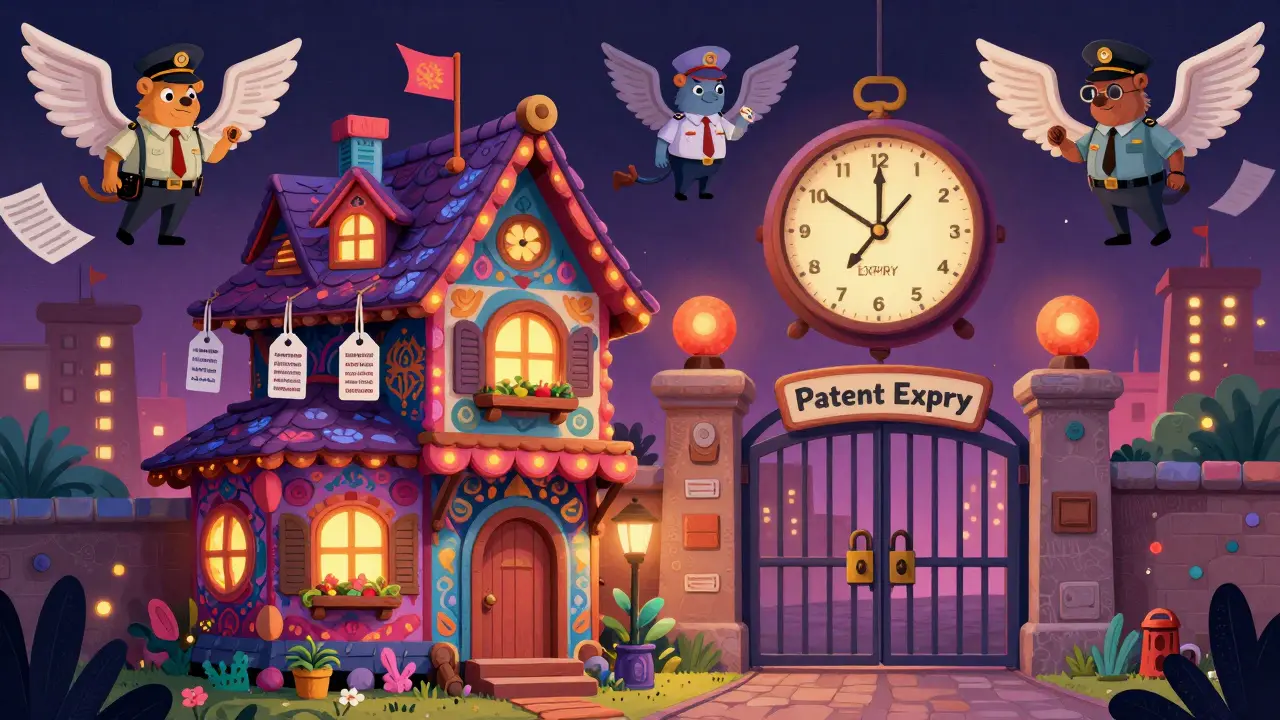
When a generic drug company gets tentative approval from the FDA, it’s not a green light to sell. It’s more like a reserved seat in line - you’ve passed all the science tests, but you can’t move forward until the patent clock runs out. This isn’t a delay. It’s a calculated pause, built into the system to balance innovation and access. For companies waiting to launch a generic version of a brand-name drug, tentative approval is both a victory and a minefield.
What Tentative Approval Really Means
Tentative approval isn’t a loophole. It’s a formal regulatory status created by the Hatch-Waxman Act of 1984. The law was designed to speed up generic drug access without letting companies skip patent protections. When the FDA grants tentative approval, it’s saying: "Your drug is safe, effective, and manufactured to standards. We just can’t let you sell it yet because the original drug’s patent hasn’t expired."
Think of it like this: You’ve built a house, passed every inspection, and paid all fees. But the city won’t let you move in because someone else still holds the deed. Tentative approval is your permit to build - not to live there.
Every year, the FDA grants about 1,000 tentative approvals. These aren’t just paperwork. They’re strategic moves. Companies use them to lock in their place in line. Once the patent expires, they don’t have to restart the review. They just submit a short notice - and if everything’s in order, the FDA can issue final approval in as little as 30 days.
The Patent Litigation Trap
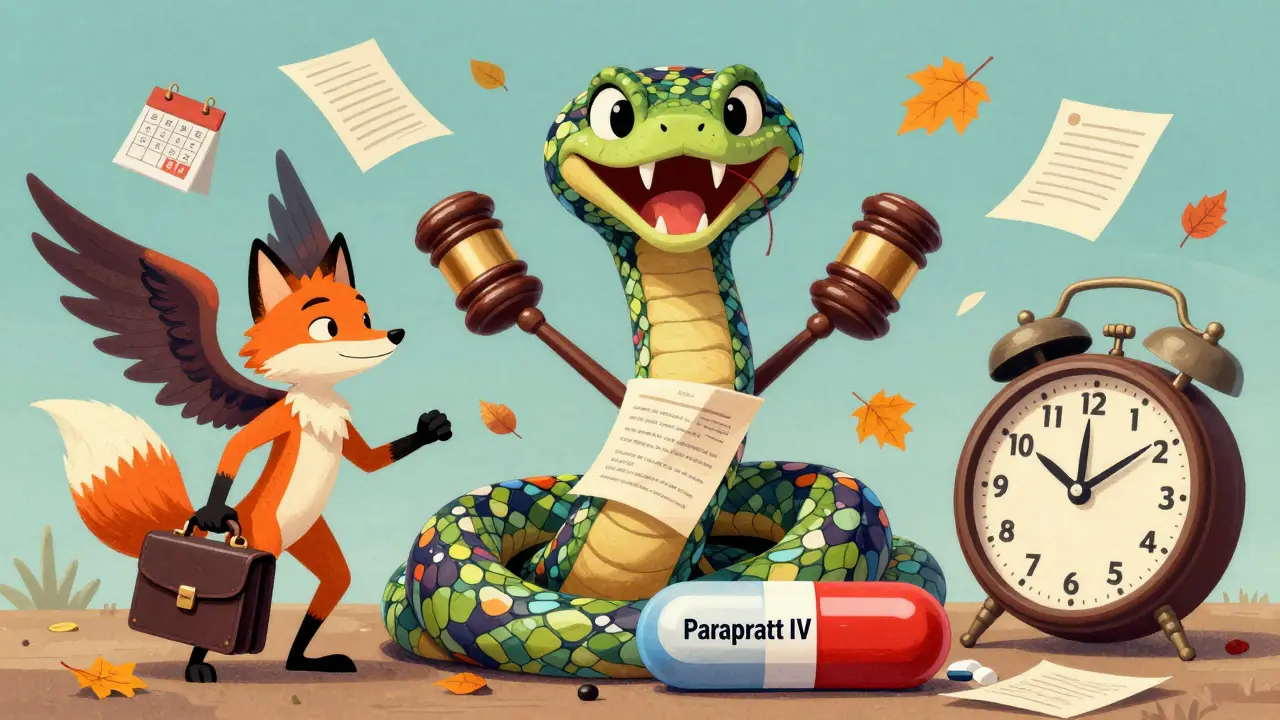
The real game begins when a generic company files a Paragraph IV certification. This is a legal notice saying: "We believe your patent is invalid, or we won’t infringe it." This triggers a 45-day window for the brand-name company to sue. If they do, the FDA is legally blocked from giving final approval for up to 30 months - unless the court rules in favor of the generic maker.
That’s where tentative approval shines. While the lawsuit drags on, the FDA keeps reviewing the application. If the generic company wins the case, or if the patent expires before the lawsuit ends, they’re already halfway to market. No restart. No delays. Just a quick paperwork push.
But here’s the catch: if you file a Paragraph IV certification and lose, you lose your chance at the 180-day exclusivity period. That’s the golden ticket. The first company to challenge a patent gets six months of market monopoly before other generics can enter. Many companies risk everything for that window - and some end up with nothing.
The Hidden Work: Managing the Waiting Game
Most people think once you get tentative approval, you sit back and wait. That’s a fatal mistake. The FDA requires companies to submit amendments - even small ones - well in advance of the patent expiry date. If you wait until the last minute, you’ll miss the window.
For minor changes (like a label tweak or supplier switch), you need to file at least three months before the patent expires. For major changes (like a new manufacturing site), you need ten months. Miss that deadline? Your approval gets delayed. And in a market where timing equals millions in revenue, that’s a disaster.
Take the case of Aurobindo Pharma in 2021. They had tentative approval for a generic version of Jardiance. They planned to switch manufacturing sites. But they didn’t document the change properly. The FDA flagged it. Final approval was delayed by four months. Estimated loss? $150 million.
Even worse? Exclusivity periods. Brand-name companies sometimes get extra protection - like pediatric exclusivity - that extends beyond the patent. If you don’t track those, you’ll think you’re clear… and then get blindsided.
Who Wins? Who Loses?
Companies that nail this process win big. Lupin Limited did in 2018. They had tentative approval for a generic version of Cialis. When the patent expired, they submitted their final approval request. The FDA approved it within 24 hours. They captured 42% of the market in the first month. That’s what happens when you’re ready.
But failure is common. About 15% of tentatively approved drugs face delays because of sloppy paperwork. The FDA’s own data shows that 27% of delays in 2022 were due to cGMP (current Good Manufacturing Practice) issues - meaning the factory wasn’t up to code. Even if your drug is perfect, if your facility has a dirty floor or a broken thermometer, you’re stuck.
Smaller companies often struggle. They don’t have teams dedicated to patent tracking and FDA communication. Larger firms - like Teva, Mylan, and Lupin - have entire departments just for this. They use software to monitor patent expirations, exclusivity dates, and amendment deadlines. They run simulations: "What if the court rules in 28 months? What if the exclusivity is extended?" They plan for every scenario.
What’s Changing in 2026?
The FDA is making moves. Starting in 2023, they cut the review time for final approval requests from 60-90 days down to 30 days for minor changes. That’s huge. It means if you’re prepared, you can go from tentative to market in under a month.
But new challenges are rising. Complex generics - like inhalers, injectables, and topical creams - are harder to copy. Their patents are more layered. Some brand-name companies are stacking patents: one for the pill, one for the coating, one for the delivery method. It’s not one patent. It’s five. And each one can delay a generic.
There’s also political pressure. A bill called the "Protecting Drug Patents Act" was introduced in Congress in March 2023. If it passes, it could extend patent terms even further. That would mean longer waits for generics - and higher prices for patients.
How to Get It Right
If you’re a generic drug company, here’s what you need:
- Track every patent and exclusivity - not just the main one. Use a dedicated system. Don’t rely on spreadsheets.
- File amendments early - three months for small changes, ten months for big ones. Set calendar alerts.
- Train your team - regulatory and legal teams must talk daily. If they’re siloed, you’ll miss something.
- Know your manufacturing site - if you change it, document everything. The FDA audits hard.
- Prepare for litigation - if you file a Paragraph IV, be ready to go to court. Have legal counsel lined up.
The system works - but only if you treat it like a race, not a waiting room.
Why This Matters to You
Every time a generic drug hits the market, prices drop - often by 80%. Tentative approval is the engine behind that. It’s why you can buy a generic version of a $500 brand-name drug for $10. Without this system, most of the medications you rely on would cost far more.
It’s not glamorous. No headlines. No press releases. Just a quiet, complex, highly regulated process that keeps the system moving. But when it fails, patients pay the price. When it works? Millions get access.
What is the difference between tentative approval and final approval?
Tentative approval means the FDA has determined your generic drug meets all scientific and manufacturing requirements, but you can’t sell it yet because of an unexpired patent or exclusivity period. Final approval means you’re legally allowed to market and sell the drug in the U.S. Tentative approval is a placeholder. Final approval is the green light.
Can a generic drug be sold before patent expiration if it has tentative approval?
No. Tentative approval does not allow marketing or sales. The FDA explicitly states that a tentatively approved drug is not an approved drug. Selling before patent expiration is illegal and can lead to lawsuits, fines, and loss of approval status.
How long does it take to get from tentative approval to market?
It varies. If the patent expires and you’ve submitted your final approval request on time, the FDA can approve it in as little as 30 days. But if you miss deadlines, face litigation, or have manufacturing issues, it can take months or even years longer. On average, the total time from ANDA submission to market entry is 18-36 months.
What is a Paragraph IV certification?
A Paragraph IV certification is a legal statement filed with the FDA by a generic drug applicant claiming that an existing patent is invalid, unenforceable, or won’t be infringed. This triggers a 45-day window for the brand-name company to sue. If they do, the FDA is legally blocked from granting final approval for up to 30 months - unless the court rules in favor of the generic.
Why do some companies delay market entry even after winning a patent lawsuit?
Because they didn’t prepare. Winning the lawsuit removes the legal barrier, but the FDA still needs to review the final approval request. If the company waited until after the lawsuit to submit amendments, or if they made unapproved changes to the manufacturing process, the FDA can delay approval. Many companies assume victory equals launch - but the paperwork still has to be perfect.


